
Indoor Plant Care Essential Tips for Year-Round Growth
Master the art of growing healthy indoor plants through every season. Discover proven techniques, seasonal strategies, and expert guidance to transform your home into a thriving green sanctuary.
The information on this site is for educational purposes only and does not constitute medical advice. Always consult a qualified healthcare professional before making health decisions.
Healthy Growth
Year-round techniques for vibrant, thriving plants in any home environment.
Seasonal Strategies
Adapt your care routine across seasons with expert guidance for each time of year.
Watering Wisdom
Master humidity, irrigation, and moisture management for different plant species.
Plant Science
Understand nutrition, soil composition, and environmental factors for success.
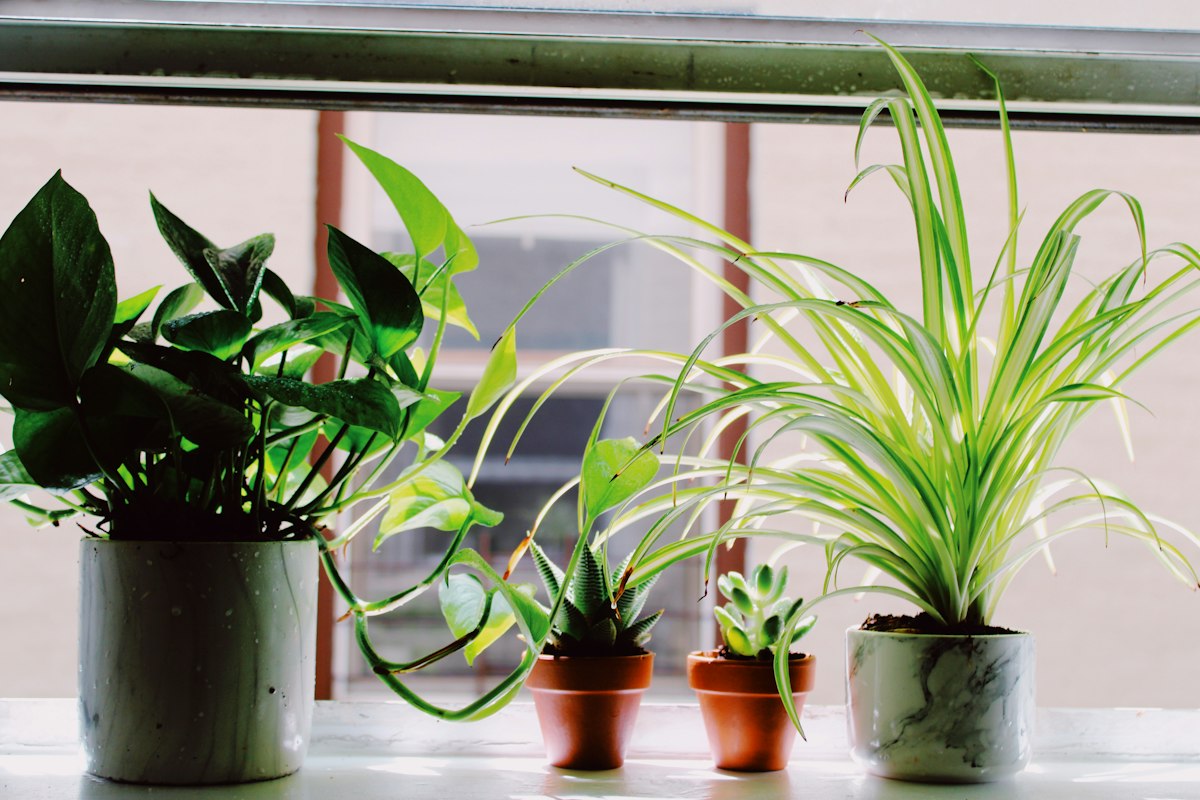
Why Indoor Plants Matter for Your Home
Indoor plants do more than brighten your space—they transform your living environment. Plants naturally purify the air, reduce stress, and create a connection to nature within your own home. Whether you're a seasoned gardener or a complete beginner, understanding proper indoor plant care opens doors to a healthier, more vibrant lifestyle.
From small succulents on a windowsill to statement-making tropical plants, each species has unique needs. Our comprehensive guides help you navigate lighting requirements, temperature preferences, and feeding schedules so your plants flourish all year long. The key is learning what each plant needs and providing consistent, thoughtful care.
Seasonal Care Guidelines
Plant care needs shift with the seasons. Follow our evidence-based guidelines to adjust watering, feeding, and environmental conditions throughout the year.
Winter Care
Reduce watering frequency as growth slows during shorter days. Most plants enter dormancy and require less moisture. Keep plants away from cold drafts and heating vents, and provide supplemental light if natural daylight is limited. Monitor for pests that thrive in dry indoor air.
- Water: Every 2-3 weeks for most species
- Light: 6-8 hours minimum daily
- Temperature: 60-70°F optimal
Summer Care
Increase watering as temperatures rise and plants enter active growth. Check soil moisture more frequently—tropical plants especially need consistent hydration. Provide filtered sunlight to prevent leaf scorch, and maintain humidity through misting or pebble trays. This is prime time for feeding your plants.
- Water: Weekly or as soil dries
- Feeding: Bi-weekly fertilizing
- Humidity: 50-60% for tropical plants
Spring & Fall Care
These transitional seasons demand flexibility. In spring, increase watering and fertilizing as new growth emerges. In fall, gradually reduce feeding and watering to prepare plants for winter dormancy. Both seasons are ideal for repotting, propagation, and pruning to encourage bushier growth.
- Repotting: Best done in spring
- Pruning: Encourages fuller growth
- Propagation: High success rates
Common Plant Care Questions Answered
Find clear, practical answers to the most frequently asked questions about indoor plant care and maintenance.
How often should I water my indoor plants?
Watering frequency depends on plant type, pot size, soil composition, and environmental conditions. Most tropical houseplants prefer soil that is moist but not waterlogged—check soil moisture with your finger about an inch deep. In summer, weekly watering is typical; in winter, every 2-3 weeks. Succulents and cacti need much less frequent watering, sometimes just once monthly during dormancy. Always adjust based on your specific plant species and home humidity levels.
What's the best light for indoor plants?
Light requirements vary widely. Low-light tolerant plants like pothos and snake plants survive in indirect, ambient light. Medium-light plants prefer bright, indirect light near east or west-facing windows. High-light plants like succulents and herbs need 4-6 hours of direct or very bright indirect sunlight daily. If natural light is limited, grow lights can supplement. Rotate plants regularly to ensure even growth on all sides.
How do I prevent common plant diseases?
Prevention is easier than treatment. Ensure good air circulation around plants, avoid overwatering (the leading cause of root rot), and allow soil to dry slightly between waterings. Inspect new plants for pests before bringing them home. Use well-draining potting soil and pots with drainage holes. Keep leaves clean by gently wiping them occasionally. Quarantine affected plants away from others, and treat promptly with neem oil or insecticidal soap if pests appear.
When should I repot my plants?
Repot plants when they become root-bound—you'll notice roots circling the pot's surface or growing through drainage holes. Most actively growing plants need repotting annually, typically in spring before the growing season. Use fresh potting soil and a container only 1-2 inches larger in diameter. Slow-growing plants or dormant species may only need repotting every 2-3 years. Always handle roots gently and water lightly after repotting to help the plant settle.
What should I feed my indoor plants?
Use a balanced, water-soluble fertilizer (like 10-10-10 NPK) diluted to half strength during the growing season. Feed every 2-4 weeks from spring through early fall. Reduce or stop feeding in winter when most plants slow their growth. Organic options like fish emulsion or seaweed extract work well for many houseplants. Always follow package instructions carefully—over-fertilizing causes salt buildup in soil, leading to leaf burn and damage.
How do I increase humidity for tropical plants?
Many tropical plants thrive in humidity levels of 50-60%. Create humidity by misting leaves with water several times weekly, placing plants on pebble trays filled with water (ensure pots don't touch water), or grouping plants together so they naturally release moisture. A humidifier in the room works well for several plants at once. Bathrooms are ideal humid environments for moisture-loving species. Avoid cold drafts and excessive heat, which quickly dry the air.
Plant Care Transformations
See how proper indoor plant care techniques create healthier, more vibrant plants and transform home spaces.
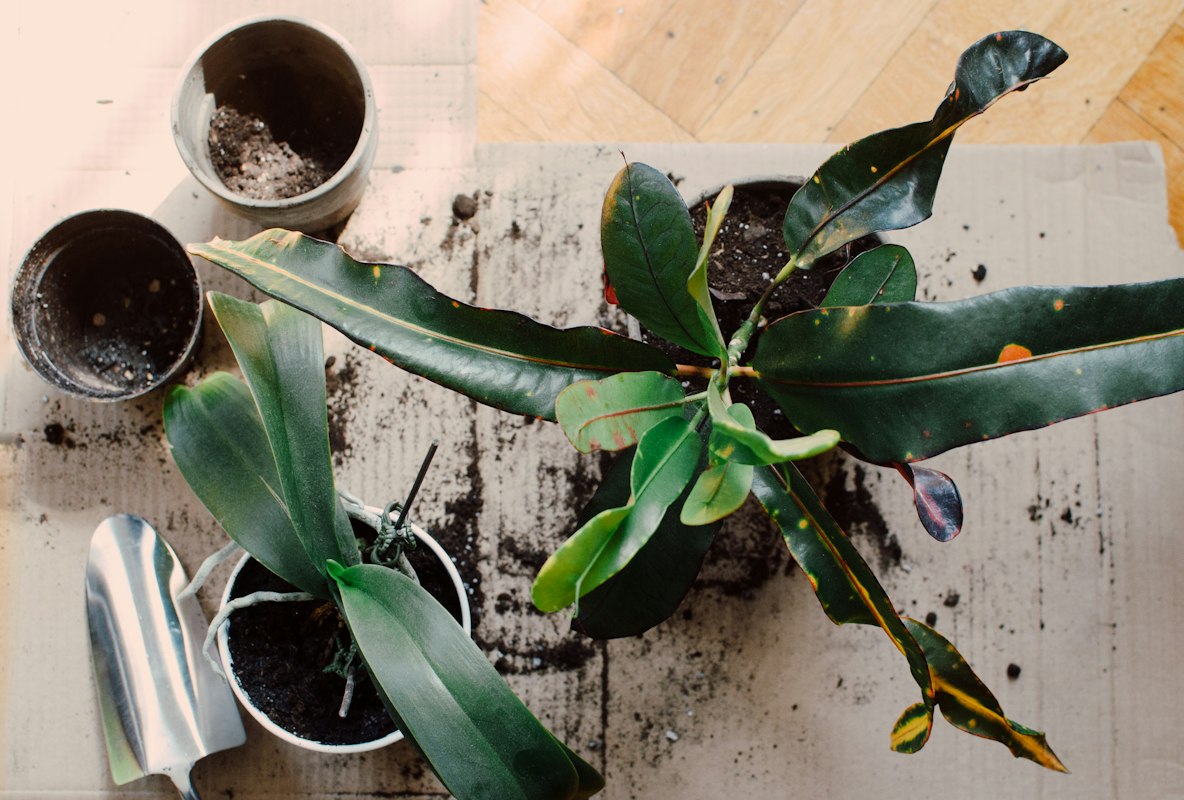
Reviving Yellowing Leaves
Correcting watering habits and adjusting light conditions brought this struggling plant back to vibrant health in just four weeks.
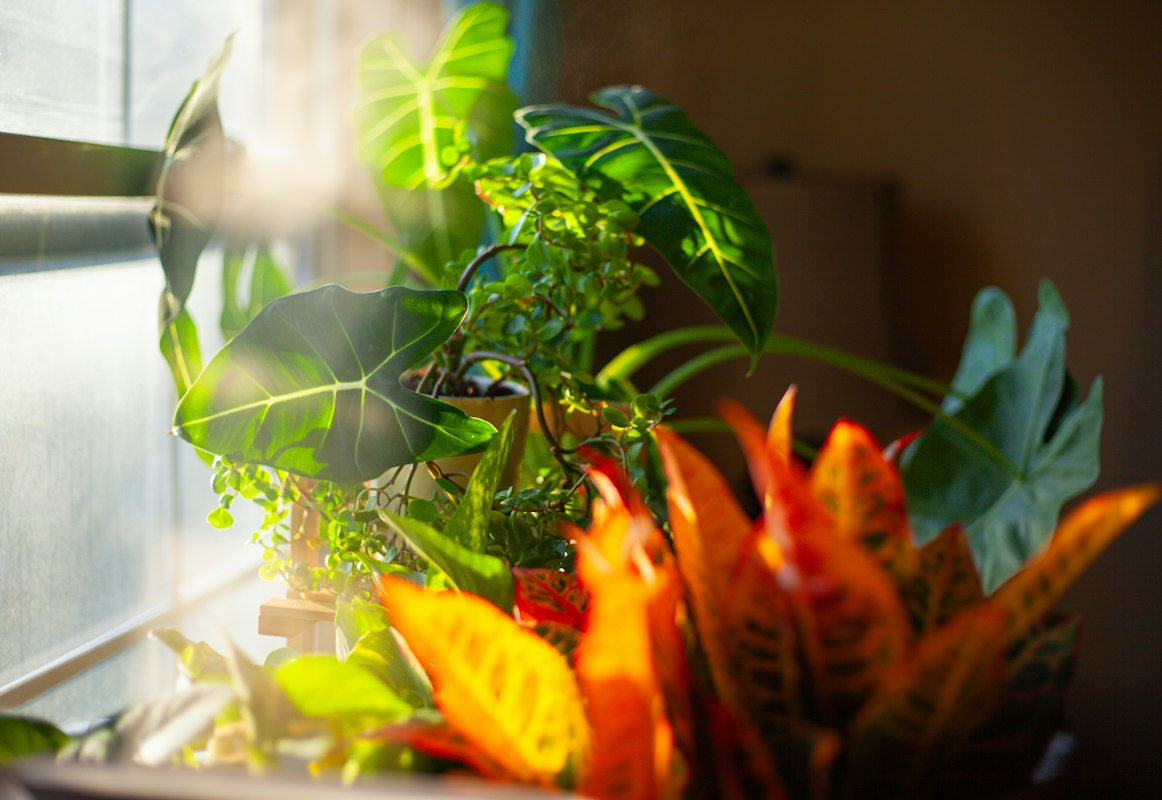
Successful Propagation
Simple propagation techniques transformed single plant cuttings into an entire collection of thriving new plants.
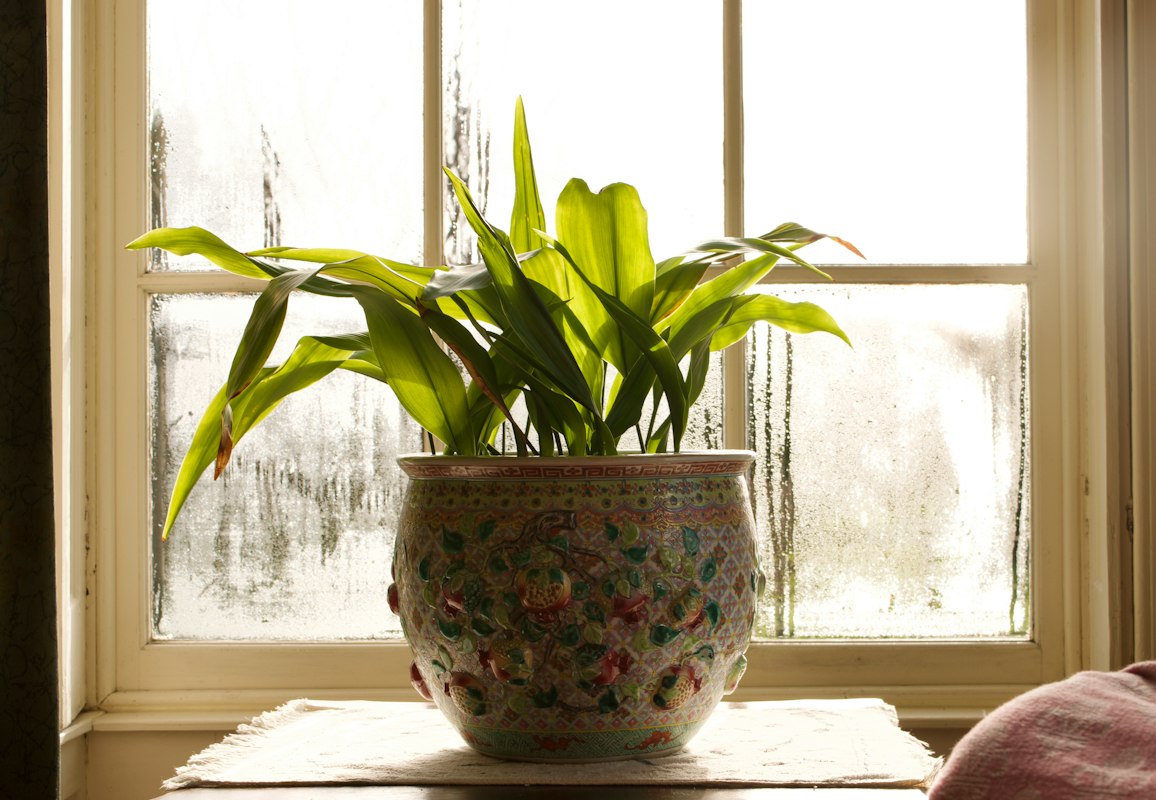
Creating a Living Wall
Vertical gardening techniques and proper moisture management created a lush, living green installation.
Essential Tools & Resources
Equip yourself with the right tools and knowledge to provide professional-grade care for your indoor plant collection.
Watering Tools
Invest in a watering can with a narrow spout for precise control, and a moisture meter to eliminate guesswork. These tools prevent overwatering while ensuring consistent hydration for different plant types.
Grow Lights
LED grow lights supplement natural light in low-light conditions. Full-spectrum lights mimic natural daylight and encourage healthy photosynthesis, especially important during winter months.
Pruning Tools
Quality pruning shears, scissors, and a pruning saw allow you to remove dead growth, encourage branching, and maintain plant shape. Sharp, clean tools prevent disease transmission.
Soil & Nutrients
High-quality potting mix formulated for different plant types ensures proper drainage and nutrient availability. Pair with balanced fertilizers for consistent nutrition throughout growing seasons.
What Our Readers Say
"I've struggled with keeping plants alive for years, but the seasonal care guidelines completely changed my approach. My fiddle leaf fig went from drooping and pale to absolutely thriving. The explanations about light and humidity finally made sense, and I'm confident caring for new plants now."
Maria Santos
Manila
"The articles on propagation and repotting are incredibly detailed. I successfully propagated my monstera and now have multiple plants for different rooms. The troubleshooting guides helped me identify pest problems early before they spread."
Rafael Reyes
Cebu City
"Finally, a resource that explains why my plants are struggling instead of just saying 'water it.' The winter care tips saved my collection during the cold months. Highly recommend to anyone serious about plant parenthood."
Jennifer Gutierrez
Davao
"The FAQ section answered questions I didn't even know I had. The humidity tips work perfectly in our tropical climate, and my tropical plants have never looked better. Science-backed and practical."
Miguel Fernandez
Quezon City
"As someone new to indoor gardening, these guides are a lifesaver. The step-by-step instructions made everything manageable, and the photo transformations inspire me to keep improving my collection."
Patricia Luna
Makati
Start Your Plant Journey Today
Explore our comprehensive plant care guides and transform your home into a thriving green space. Whether you're a beginner or an experienced gardener, our articles and resources help you succeed through every season.
Navigation
Information
Plant Topics
- Seasonal Care Strategies
- Lighting & Growth
- Soil & Nutrition
- Pest Management
© 2026 Greenleafyeargrowth. All rights reserved. Educational content for indoor plant care enthusiasts.